Changing Corrosion into Profit: The Scrap Car Disposal Method Clarified
When a car hits the end of its life, it often becomes a burden instead of an efficient mode of transportation. Many car owners find themselves confronting the difficult decision of how to deal with their outdated and rusty cars. This is the point at which the vehicle scrapping process is important, providing a practical solution for individuals wanting to dispose of their unwanted vehicles all the while receiving some cash in return. Understanding this process could be advantageous for anyone with a damaged vehicle parked in their driveway or carport.
The scrap car removal service aims to assist car proprietors dispose of their damaged or non-functioning cars in an environmentally friendly manner. Businesses specializing in this field not only support the removal of the vehicle but also guarantee that it is reused appropriately, reducing the harmful effects of waste vehicles. By transforming what appears like an insignificant object into useful materials and components, you can assist to eco-friendly practices while making some extra money in the process.
Comprehending Junk Car Value
The value of a wrecked car is influenced by several elements, such as its make, type, year, and state. When a vehicle reaches the final stage of its life, its metal components possess substantial value due to the need for refurbished materials. Junk metal prices vary depending on market factors, causing it crucial for owners to comprehend the current worth of their cars ahead of disposing of them for scrap. A properly kept vehicle may generate a better value than a heavily damaged one simply due to the functionality of its parts.
One more important factor is the presence of salvageable components. Many wrecked cars have parts like motors, gearboxes, and electrical parts that can be repaired and sold on their own. This adds to the total value of the junk vehicle, as salvage facilities and recycling firms search for cars that can yield various sources of profit. cash for cars should take stock of what components may still be operational or in request, as this can impact the price they obtain during the disposal process.
Lastly, understanding the local regulations concerning wrecked car removal can influence the value. Some areas may provide benefits for recycling vehicles, while some may impose fees for disposal. Being aware of these regulations helps car owners navigate the removal process more efficiently and avoid unexpected charges. By considering these elements, car owners can maximize the financial gains of scrap vehicle disposal.
A Scrap Car Removal Process
The scrap car removal process begins with the vehicle owner contacting a service that specializes in removing unwanted vehicles. In this initial communication, the company typically gathers details about the car, including its make, type, year, and condition. This helps them determine if the vehicle can be salvaged or if it should be sent directly to the scrapyard. Many companies offer free quotes and ask if the car is still running or if it is in a non-functional condition requiring towing.
Once a decision is made, the company arranges a convenient pickup time. On the scheduled day, the designated team arrive at the owner's location to check the vehicle. If the conditions are met, they check for documents like the vehicle's title. This step is important as it ensures that the service is lawfully permitted to take the car. Once confirming the details, the team prepare to remove the vehicle safely, often bringing necessary equipment to handle the extraction process.
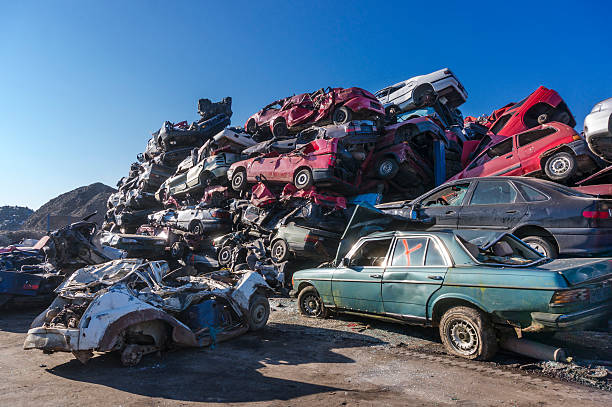
Once the vehicle is placed onto a tow truck or flatbed, it is transported to a specific salvage yard or recycling facility. Here, the car undergoes further assessment for components that can be reused or refurbished. The remainder of the vehicle is processed for scrap metal. This entire process not only provides financial compensation to the car owner but also promotes environmentally friendly practices by ensuring that the materials are recycled and reused, turning what was once a rusting vehicle into useful resources.
Environmentally-Friendly Recyclable Practices
Junk car removal plays crucial part in supporting environmentally-friendly recycling practices. As soon as vehicles reach the end of their life cycle, they often contain materials that can be harmful to the environment if not disposed correctly. Trustworthy scrap car removal services ensure that hazardous components, such as batteries and liquids, are handled safely. By adhering to strict environmental regulations, they minimize the threat of pollution, protecting natural resources and local ecosystems.
Along with proper disposal of harmful materials, scrap car removal facilitates the reclamation of worthwhile materials. Iron, aluminium, and plastic from old vehicles can be recycled and used in production new products. This method helps save raw materials and reduces energy consumption compared to creating new materials from nothing. By repurposing these materials, the scrap car removal industry contributes to a circular economy, where resources are recycled and waste is significantly reduced.
Moreover, many scrap car removal services focus on sustainability in their operations. This includes using sustainable towing methods and making efforts to reduce their carbon footprint. By choosing to dispose of a scrap car through these services, vehicle owners not just gain financially but also participate in an ecologically responsible process. The increasing awareness of eco-friendly methods in the vehicle recycling industry underscores the necessity of responsible waste management in promoting a greener planet.